Bluespotted Ribbontail Ray in Watercolor Style: A Unique Design for Australian-Themed Products
As a digital product creator with years of experience on platforms like Etsy and print-on-demand services, I always approach a new graphic design asset with both curiosity and caution. The Bluespotted Ribbontail Ray in Watercolor Style caught my eye not just because of its subject matter, but also due to the soft, inviting aesthetic it brings to the table. This design has that delicate balance between whimsy and sophistication, making it a strong contender for a range of commercial applications—especially if you're aiming to build an Australian-themed collection or appeal to buyers who appreciate nature-inspired artwork.
First Impressions: Mood and Market Appeal
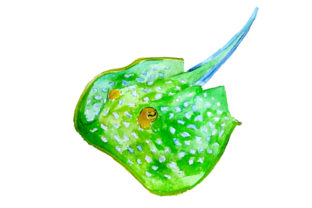
The first thing that stands out about this watercolor illustration is its gentle color palette and fluid brushwork. The blues and greens used to depict the ray evoke a sense of calm and creativity, fitting well into niches such as handmade businesses, wellness brands, or any small business looking to incorporate oceanic themes. While the design isn’t overtly bold, it carries enough visual interest to stand out without overwhelming the viewer.
I can already imagine how this could work on printable wall art or as part of a seasonal bundle. It’s not too cute or childish, so it won't alienate adult customers, yet it's not so minimalist that it feels generic. This makes it versatile for different audiences—from children's room decor to eco-conscious lifestyle products.
Who Might Be Drawn to This Design?
- Crafters and Cricut users who love creating custom stickers and cards
- Etsy sellers specializing in Australian wildlife or nature-based products
- Canva template creators looking to add unique illustrations to blog headers or social media templates
- Print-on-demand entrepreneurs wanting to offer premium-looking merchandise with subtle branding
- Bloggers and content creators needing eye-catching graphics for marine-related posts or travel blogs
Testing Across Product Types: Real-World Application
One of the key steps in evaluating a design like Bluespotted Ribbontail Ray in Watercolor Style is seeing how it holds up across multiple formats and use cases. I’ve done this before with similar assets and recommend the same approach:
- SVG Products: If the design comes in SVG format, test it on a Cricut project to see how cleanly it cuts. Watercolor textures can sometimes be tricky, especially if there are overlapping layers or gradients.
- PNG Designs: Check the PNG version on both white and dark backgrounds. Watercolor illustrations often have transparent elements, and seeing how they render will help determine where they’ll look best—on mugs, tote bags, or t-shirt graphics.
- Clipart Bundles: Consider whether the design works as a standalone element or needs companionship. Could it be paired with other Australian animals or underwater motifs to form a cohesive design bundle?
- Sublimation Designs: For sublimation projects, ensure the colors are vibrant and that the file resolution is high enough to avoid pixelation when printed on tumblers or apparel.
- Printable Wall Art: This design is particularly suited for large prints. Its soft, flowing style gives it a decorative quality that fits beautifully in home offices, nurseries, or beachside retreats.
- Planner Stickers: The ray’s shape is ideal for sticker designs. Test it at smaller sizes to ensure details remain visible and appealing, especially if you’re targeting planners or journaling kits.
- Greeting Cards & Invitation Templates: The watercolor style adds a touch of elegance to greeting cards or event invitations. Pair it with a serif or script font for a more refined look.
Each of these formats requires different considerations, and taking the time to test them ensures your final product looks professional and performs well once listed online.
Product Presentation: Making It Click
When selling digital assets or finished products, presentation is everything. Even the most beautiful design can underperform if it doesn’t catch the buyer’s attention at a glance. Here’s how the Bluespotted Ribbontail Ray in Watercolor Style supports a polished shop aesthetic:
- Mockup Previews: Use it in mockups of mugs, tote bags, or canvas prints. A soft, natural illustration like this one can elevate your product images and make them feel more artisanal.
- Thumbnail Appeal: The ray’s distinct shape helps it stand out in a grid view. When previewed at thumbnail size, the watercolor style still maintains a level of charm and clarity.
- Listing Images: Combine it with clean typography and minimal text for a modern, trustworthy listing. Buyers tend to gravitate toward visuals that feel handcrafted and authentic.
- Brand Consistency: If your brand focuses on ocean life or Australian culture, this design can help reinforce your identity across multiple products.
- Perceived Value: The watercolor technique suggests a more premium, artistic feel. That subtle nuance can justify higher pricing for your digital paper packs or handmade product listings.
Visual Storytelling and Customer Trust
This kind of design allows for visual storytelling, which is essential for building customer trust. Imagine using the ribbontail ray in a themed collection celebrating Australia’s unique marine life. It could appear alongside other native species, helping to create a narrative that resonates with environmentally aware consumers or those with a connection to the region.
For creative marketplace sellers, consistency in design language across your shop matters. This illustration could serve as a cornerstone in your brand identity, especially if you’re curating seasonal collections or offering digital downloads with a cohesive theme.
Where It Shines Best: Strategic Use Cases
The Bluespotted Ribbontail Ray in Watercolor Style thrives in certain environments and formats. These are the areas where it can truly shine and generate interest from potential buyers:
- Large Product Previews: The intricate watercolor details show their full beauty when given space. Perfect for posters, wall art, or large-format prints.
- Themed Bundles: Think “Australian Wildlife Collection” or “Oceanic Decor Set.” Grouping this design with others creates a stronger value proposition for customers.
- Decorative Layouts: Ideal for scrapbooking kits, digital paper packs, or planner inserts. The organic feel of the illustration adds warmth and personality to layouts.
- Merchandise Graphics: Especially on light-colored apparel, tote bags, or ceramic tumblers. The soft hues complement many color schemes and don’t clash with text or logos.
- Social Media Promos: Use it in promotional visuals or Instagram stories to highlight new arrivals or seasonal offers. The watercolor effect adds a refreshing break from flat vector graphics.
- Digital Downloads: Whether you're selling clipart or Canva templates, this design can become a valuable addition to your digital product catalog.
Where to Proceed with Caution: Limitations to Know
While the Bluespotted Ribbontail Ray in Watercolor Style is visually compelling, it’s important to recognize where it may fall short or require extra care:
- Tiny Sticker Details: The watercolor texture may lose definition at very small sizes. Avoid using it for micro-stickers unless you simplify the lines and remove excessive shading.
- Overly Complex Layouts: Don’t try to cram too much detail around the design. Let it breathe and act as a focal point rather than a background element.
- Low-Resolution Print Jobs: Always confirm the file resolution before sending to print. Watercolor textures need high DPI to retain their softness and clarity.
- Crowded Thumbnails: In marketplace grids, keep thumbnails simple. Too much going on in the background can distract from the main image and reduce click-through rates.
- Dark Backgrounds: While it works on dark tones, the blues and greens may mute significantly. Test variations with overlays or adjust contrast accordingly.
- Text-Heavy Templates: Avoid placing too much text over the illustration. It can obscure the design and diminish its impact in blog graphics or social media templates.
- Clean Cutting Lines: If using it for Cricut or Silhouette cutting, double-check the SVG file. Some watercolor effects might translate poorly into cut paths, leading to messy edges or misalignment.
By being mindful of these limitations, you can better position the design in scenarios where it will perform optimally and avoid common pitfalls that could hurt your sales or customer satisfaction.
Practical Seller Tips Before Launching
If you’re planning to use the Bluespotted Ribbontail Ray in Watercolor Style in your next product launch, here are some actionable tips to consider:
- Test on Mockups: See how it looks on real-world items like mugs, t-shirts, and notebooks. Use tools like Placeit.net or Smartmockups for accurate previews.
- Preview as Marketplace Thumbnail: Upload the design as a potential listing image and zoom in to check readability and visual appeal at smaller sizes.
- Check Background Compatibility: Try it on both white and dark backgrounds to assess adaptability and contrast.
- Verify Print Colors: If you're using this for physical products, do a test print to see how the colors render in ink versus screen.
- Confirm PNG Transparency: Make sure the PNG version is properly transparent if used for overlay graphics or layered designs.
- Inspect SVG Cut Quality: Open the SVG in Adobe Illustrator or a Cricut software to verify that all elements are correctly outlined and scalable.
- Organize Files Clearly: If you're packaging this as part of a digital download, name files consistently and provide usage instructions for clarity.
- Font Pairings: Experiment with serif, sans serif, script, handwritten, and display fonts to find what complements the design best. A soft script or elegant serif pairs nicely with the watercolor vibe.
- Confirm Commercial Licensing: Always check the licensing terms. You don’t want to invest in a product line only to discover later that you can’t sell it commercially.
Final Thoughts for Digital Sellers
The Bluespotted Ribbontail Ray in Watercolor Style is a thoughtful and aesthetically rich design that can enhance your offerings in several ways. From printable wall art to Canva templates, it brings a touch of artistry and cultural relevance to your product lineup. However, like any graphic design asset, it needs careful evaluation and strategic placement to maximize its potential.
If you're in the process of building a collection for Etsy, Creative Fabrica, or Shopify, this illustration could serve as a standout piece in your portfolio. Just remember to test thoroughly, stay true to your brand voice, and use it in contexts that let it shine.