Floral Pattern Roses and Lily Vector: A Polished Design Asset for Content Creators
First Impressions: Elegant, Versatile, and Visually Rich
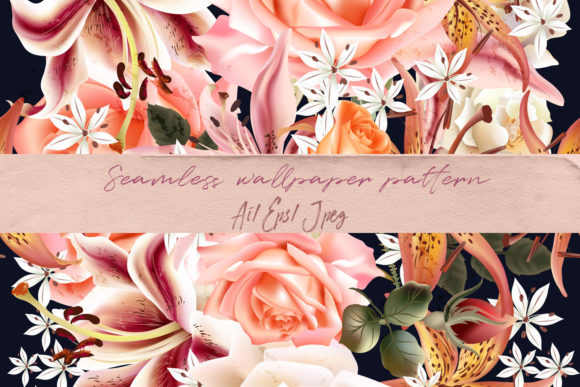
As an experienced blog designer and digital publisher, I always start my evaluation of a new graphic design asset by assessing its first impression. When I first saw the Floral Pattern Roses and Lily Vector, it immediately struck me as a strong contender for editorial use. The intricate yet balanced composition of roses and lilies brings a sense of sophistication and organic beauty that’s rare in mass-produced design assets. This pattern has a clear editorial mood—feminine, artistic, and slightly seasonal. It feels right at home in lifestyle, fashion, wellness, and even botanical niches, but could also work in more creative professional spaces like art instruction or floral design tutorials.A Visual Foundation for Stronger Editorial Performance
When considering how this design asset fits into a real publishing workflow, I see immediate applications across multiple touchpoints. Here are some of the most effective ways I’ve found to integrate Floral Pattern Roses and Lily Vector into content publishing projects:- Blog Featured Images: This pattern works beautifully as a background or accent layer in blog thumbnails. Its elegance supports headlines about self-care, interior design, wedding planning, or any content aiming for a warm, inviting feel.
- Pinterest Graphics: With Pinterest favoring high-quality, vertical visuals, this vector-based pattern can elevate pins for product launches, DIY tutorials, or curated lists. Use it to frame images or overlay text with subtle depth.
- Article Headers and Website Banners: The pattern adds a decorative yet refined touch to headers and banners, especially when used sparingly or in partial coverage. It helps establish a brand identity that feels modern yet grounded in nature.
- Newsletter Banners and Lead Magnets: In newsletter headers or free downloadable guides, the pattern contributes to a cohesive theme without distracting from the core message. It gives the illusion of exclusivity and handcrafted detail.
- Digital Guides and eBooks: For educational or inspirational content, such as printable worksheets or digital guides on mindfulness or floral arranging, the pattern enhances the perceived value of the resource.
- Social Media Previews and Ad Creatives: The pattern can be used behind logos or within Canva templates to create social media previews or Facebook ad creatives that stand out with a soft, romantic edge.
Elevating Brand Identity Through Floral Patterns
One of the standout qualities of Floral Pattern Roses and Lily Vector is its ability to contribute to a stronger brand identity. Whether you're designing for a small business or a growing affiliate blog, consistency is vital. This pattern can be used across various elements—website headers, category thumbnails, or even in media kits—to reinforce your brand’s aesthetic. For publishers who aim to create a signature look, using this floral pattern in subtle ways—like as a border or watermark—can help build a unique visual identity. It’s particularly effective for niche blogs that want to convey a personal, handpicked style rather than a corporate one. The pattern supports a lifestyle-focused tone and aligns well with modern design trends that embrace minimalism with meaningful details.Where This Pattern Shines in Content Publishing
- Hero Images: Used as a full or half-background in hero sections, the pattern adds a touch of luxury without overpowering the primary message.
- Article Thumbnails: On platforms like Medium or WordPress, the pattern elevates the look of post thumbnails, making them more clickable and memorable.
- Pinterest Pins: The clean lines and repeatable nature of the pattern make it ideal for creating custom Pinterest pin backgrounds that are both stylish and functional.
- Editorial Accents: As a subtle background in sidebars, feature boxes, or pull quotes, the pattern adds a layer of refinement without pulling focus from the main content.
- Downloadable Resources: For lead magnets, printables, or digital downloads, this pattern helps give the impression of a premium, professionally designed resource.
- Category Visuals: When branding categories or topics (e.g., “Spring Styles” or “Wellness Tips”), the pattern adds thematic continuity and reinforces the content’s purpose.
- Newsletter Headers: Adding a floral border or corner accent makes newsletters feel more personal and visually engaging, especially for audiences expecting a softer tone.
Use Carefully in These Situations
While the Floral Pattern Roses and Lily Vector is a powerful tool in the right context, there are situations where it may not serve your content goals effectively:- Small Mobile Thumbnails: The pattern’s complexity might become unclear or pixelated when scaled down for mobile displays. Always test how it looks in thumbnail size before finalizing.
- Text-Heavy Blog Images: If you’re overlaying dense blocks of text, the pattern can reduce readability. Opt for a lighter version or apply it only around the edges.
- Low-Contrast Backgrounds: Using the pattern over a light pastel or white background can dull its impact. Ensure your color choices allow the design to pop.
- Busy Layouts: Avoid placing it in sections already packed with icons, buttons, or other design elements. Let it shine in simpler layouts where it can complement rather than compete.
- Corporate or Minimalist Niches: While adaptable, this pattern leans toward the feminine and artistic. Use it cautiously in industries like finance, law, or technology where a very minimal visual system is expected.
Practical Notes for Publishers and Designers
Test Across Devices: Always preview the pattern on desktop and mobile screens. How it appears in a large header versus a small thumbnail can vary dramatically.
Check Contrast and Readability: Overlay sample headlines and body text to see if the pattern supports legibility. You may find that using a solid base color beneath the pattern helps maintain contrast.
Try Different Fonts: Pair the pattern with serif fonts for classic elegance, sans-serif fonts for modern simplicity, or script/handwritten styles for a more personal, artistic vibe. The pattern adapts well to various typographic moods.
Consider File Size: Since it's a vector, scaling shouldn’t be an issue, but when exporting for web use, keep file sizes optimized. Use SVG formats where possible, and PNGs for layered compositions. Compress JPEG versions carefully to preserve detail.
Confirm Commercial Licensing: Before using the Floral Pattern Roses and Lily Vector on monetized sites, affiliate pages, or paid content products, verify that it includes a commercial license. Many patterns available in creative marketplaces require specific permissions for different uses.