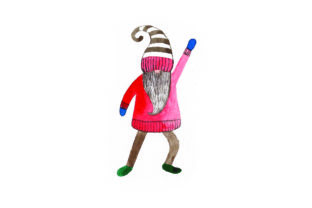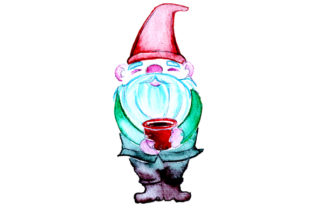
Gnome Holding a Coffee Cup in Watercolor Style
As an experienced embroidery designer and product reviewer, I always take a step back to assess how a design will perform beyond the screen. Gnome Holding a Coffee Cup in Watercolor Style caught my eye for its whimsical charm and soft aesthetic, but it’s only after running through real-world scenarios that I can confidently speak to its practicality and appeal.
A Soothing First Impression with Quirky Personality
The first thing that stands out about this design is its mood. It feels like a cozy morning in — gentle brush strokes, subtle shading, and a relaxed layout give off a warm, inviting vibe. The gnome character is expressive without being over-the-top, holding a coffee cup in a way that feels both playful and purposeful. Its watercolor style adds a hand-painted feel, which is perfect for projects aiming to blend creativity with casual elegance.
From a visual standpoint, the layout is balanced and directional. The gnome faces forward, making it ideal for centerpieces or focal points on items like tote bags, sweatshirts, or aprons. The detail level is moderate; there are enough textures and color variations to make it interesting, but not so much that it becomes overwhelming or hard to stitch cleanly. This makes it adaptable for various fabric types and project scales.
Real-World Use: Where This Design Shines
I often think of how a design will look once it’s stitched onto a finished product. In the case of Gnome Holding a Coffee Cup in Watercolor Style, I immediately envisioned it on a custom sweatshirt or a personalized baby blanket. The watercolor effect brings a softness that complements knits and heavier cotton blends well, especially when using satin stitch and fill stitch combinations.
For Etsy sellers and small shop owners, this design has strong potential as a tote bag design. It doesn’t scream “embroidery” but still carries enough personality to stand out in a sea of generic prints. The same goes for holiday gifts or nursery decor — it’s charming enough to feel special without veering into childish territory.
Apparel decorators might also find value in using it for sweatshirt embroidery, particularly if they're targeting a lifestyle brand focused on comfort and creativity. It works well as a front pocket piece or a sleeve accent. For those working with embroidered patches, the design’s distinct shape and lack of tiny lettering could translate nicely into a sew-on patch, provided the stitch density is adjusted accordingly.
Designs Amp’s Offering: A Solid Digital Embroidery File
Coming from Designs Amp, this digital embroidery file seems well-suited for hobbyists and professionals alike. The watercolor rendering suggests a thoughtful approach to layering and stitch type, which is crucial when you’re translating a soft, artistic image into thread. That said, I recommend every user do their due diligence before stitching on client products or selling them commercially.
Check whether the file formats included support your machine. If not, you may need to convert the design or seek alternative versions. Also, confirm the license terms — it's essential for commercial embroidery or digital product previews to ensure you're allowed to use the design on merchandise or within printable mockups intended for resale.
Where Caution Is Key
While this design is versatile, it does have some limitations. For example, the watercolor style relies heavily on subtle gradients and shading, which can get lost on textured fabrics like flannel or denim. Similarly, using it on thin or stretchy fabric could cause distortion in the finer details, especially if the stabilizer isn’t applied correctly.
If you're planning to embroider on a curved surface such as a cap or hat, consider how the gnome’s posture and coffee cup orientation will appear after stretching around the curve. The design might need resizing or repositioning for optimal results. Also, avoid using it on dark fabric unless the thread colors are light and contrast well. Otherwise, the soft hues may fade into the background, reducing its visual impact.
Small Hoop Sizes and Dense Stitch Areas
This design includes several areas with moderate stitch density. While it won't clog up your machine like overly complex patterns, it’s important to review these sections carefully. When using smaller hoop sizes, such as 4x4 inches for handmade product embellishments, some details may be lost or require trimming. Always test the design on scrap fabric first, especially if you're considering it for small shop product runs or personalized gifts.
Visual Appeal Meets Practical Embroidery
One of the biggest advantages of Gnome Holding a Coffee Cup in Watercolor Style is how it enhances the visual appeal of a project while maintaining stitching clarity. The watercolor elements add dimension without requiring too many specialty stitches. It’s a great candidate for blending running stitch outlines with fill stitch backgrounds, giving the final product a clean yet artistic finish.
In terms of product value, this design elevates ordinary items into something memorable. Whether it’s a kitchen towel or a pillow cover, the gnome adds a personal touch that customers will notice and appreciate. As someone who frequently reviews designs for craft business applications, I can say that it has a high giftability factor and fits well into seasonal collections, especially for holiday embroidery or cozy-themed boutiques.
Customer Trust and Brand Consistency
For creative entrepreneurs, consistency in branding is key. This design has a unique visual identity that can easily become part of a cohesive collection. Its style aligns with artisanal and cottagecore aesthetics, which are currently popular among handmade shop owners and digital product sellers. However, since it leans more toward whimsy than minimalism, it may not suit all brand identities equally.
That said, the design’s friendly and approachable nature can help build customer trust. People tend to gravitate toward artwork that feels handcrafted or inspired by nature, and this gnome certainly hits that note. Just make sure it matches your overall brand tone before incorporating it into your design assets or printable mockups.
Designer Notes for Real Projects
- Test on Scrap Fabric: Before committing to a client order or production run, stitch the design on a sample of the intended fabric to see how it holds up.
- Review Thread Color Contrast: Especially if you're using it on dark backgrounds, ensure the thread palette offers enough visibility and depth.
- Adjust Stitch Density: Some areas may require tweaking depending on fabric thickness and desired texture.
- Confirm Hoop Size: Make sure the design fits comfortably within your chosen hoop dimensions to preserve all details.
- Inspect Small Details: Look closely at the gnome’s face and coffee cup for any intricate parts that might need extra attention during setup.
- Black and White Mockups: Test the design in grayscale to evaluate its structure and contrast before choosing thread colors.
- Use Proper Stabilizer: Especially on delicate or stretchy materials, backing stabilization is critical to prevent puckering or misalignment.
- Check Licensing: If you're planning to sell finished items or offer digital embroidery files for download, verify the licensing permissions to stay compliant.
Final Thoughts on Gnome Holding a Coffee Cup in Watercolor Style
Overall, Gnome Holding a Coffee Cup in Watercolor Style is a design that bridges the gap between artistry and functionality. It doesn’t demand high-end equipment or advanced skills, yet it delivers a polished result suitable for both personal and commercial embroidery projects. From a professional standpoint, it’s the kind of design that can elevate your offerings without complicating your workflow — a rare and valuable trait in today’s fast-paced craft fair products and small business merchandise market.
Whether you're looking to add a touch of whimsy to your next custom apparel line or create a standout handmade product for your Etsy shop, this design is worth considering. Just remember to adapt it thoughtfully based on your materials and audience expectations. With the right preparation, it can become a trusted asset in your embroidery toolkit.