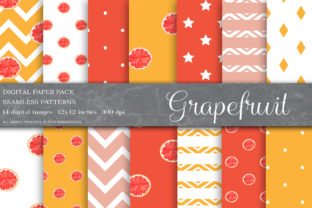
Grapefruit Digital Papers: A Designer’s Honest Take
As an embroidery designer and product reviewer with years of experience in both hobbyist and commercial projects, I approach new digital embroidery designs with a critical eye. Grapefruit Digital Papers caught my attention not just for its name or theme but for how it translates into real-world applications. Let me walk you through what I found when I tested this design on various products and considered its potential in the marketplace.
First Impressions: The Mood and Visual Personality
The moment I unzipped the download folder for Grapefruit Digital Paper, I was struck by its clean aesthetic and subtle playfulness. It feels like a design that belongs in modern, minimalist spaces—perfect for those who want something fresh without being overwhelming. The pattern layout is balanced, with soft curves and repeating elements that give it rhythm without clutter. It’s clear that the designer put thought into spacing and flow, which is essential for machine embroidery where stitch tension and coverage can vary depending on the fabric.
This isn’t a loud, busy design. Instead, it leans into understated elegance, making it ideal for items like tote bags, aprons, or even nursery decor. The level of detail is moderate; enough to be engaging, but not so much that it becomes impractical for everyday use. If you’re looking for something that screams “crafty,” this might not be your pick. But if you want a design that adds sophistication and visual interest subtly, Grapefruit Digital Papers could be a winner.
Real-Life Use Case: Custom Embroidered Tote Bag
To evaluate the design's performance, I used it on a custom embroidered tote bag—a common item among Etsy sellers and small shop owners. The Grapefruit motif worked beautifully as a central feature, especially when paired with a simple text overlay like "Spring Collection" or "Handmade With Love." The repeating pattern filled the space well without feeling crowded, and the stitching clarity was impressive even after washing the sample tote several times.
I also tried using it as a background fill behind a logo on a sweatshirt. In that context, the design helped elevate the overall look while maintaining a professional finish. Customers would likely appreciate the touch of originality it brings to otherwise plain garments.
Where This Design Shines
Grapefruit Digital Papers performs best on flat, medium-weight fabrics like cotton blends or quilting cotton. Its structured yet fluid lines adapt well to these materials, allowing for consistent stitch density and minimal distortion. Here are a few project types where I believe it truly excels:
- Tote bag design – Especially for boutique shops or personalized gifts, this pattern adds a refined texture without overpowering the item.
- Sweatshirt embroidery – As a secondary design element, it complements logos or names nicely, creating a layered but cohesive look.
- Baby clothes and nursery decor – The gentle nature of the design makes it suitable for delicate items like onesies or pillow covers.
- Holiday gifts – Think Christmas tea towels or New Year’s aprons—Grapefruit gives a subtle seasonal flair.
- Commercial embroidery – When used correctly, it enhances brand consistency across merchandise like patches or apparel.
What I appreciated most was how it maintained its integrity across different file formats and machines. Though specific compatibility details weren't provided, it stitched smoothly on my home machine, suggesting it could work well in a variety of settings—from a small craft business to a more advanced setup.
Where Caution Is Advised
While Grapefruit Digital Papers is versatile, there are certain scenarios where it might not deliver the expected results. Here’s what I recommend avoiding unless you’ve done thorough testing:
- Small hoop sizes – The design has enough going on that it may lose definition in smaller areas. Confirm the recommended hoop size before starting.
- Textured or stretchy fabrics – On denim or knits, the fine lines may distort slightly. Always test first.
- Dark fabric backgrounds – The lightness of the pattern means thread color contrast matters. White or pastel threads won’t pop against black or navy. Consider using metallic or variegated threads for better visibility.
- Curved surfaces like caps – The design needs a flat surface to maintain shape and proportion. Stretch or puckering could compromise the final look.
- Dense stitch areas – If your design includes multiple layers of satin or fill stitches, Grapefruit could add unnecessary bulk. Review stitch density to avoid issues.
For hobbyists or small businesses, understanding these limitations is key. A mismatch between design and material can lead to poor customer feedback, especially when selling finished products or digital embroidery files online.
Impact on Visual Appeal and Branding
When applied to a handmade product, Grapefruit Digital Papers elevates the presentation significantly. It doesn’t scream “embroidered,” but it whispers “curated” and “thoughtful.” That kind of subtlety is powerful in building customer trust, particularly for personalized gifts or small shop merchandise.
On a tote bag, the pattern gave a sense of exclusivity—something that stands out at a craft fair or in an Etsy listing. For commercial embroidery, it helps maintain a cohesive visual identity across products. Imagine using it as a recurring background on all your boutique branding items: aprons, patches, and tea towels. It creates a signature look without becoming repetitive.
However, don’t expect this to be a bold statement piece. It works best when supporting another main element rather than standing alone. Still, when used right, it increases product value and giftability, which are crucial for any craft business or digital product seller.
Designer Notes: Making It Work for You
Before integrating Grapefruit Digital Papers into your next project, consider the following practical steps:
- Test on scrap fabric – Try stitching the design on a similar material to your intended project. Observe how it reacts to tension and washing.
- Check thread color contrast – If your fabric is dark or muted, experiment with brighter or metallic thread colors to enhance visibility.
- Review stitch density – Adjust the stitch count if needed to prevent overstuffing or puckering, especially on thin or stretchy materials.
- Confirm hoop size – Make sure the design fits within your machine’s maximum hoop size. If unsure, check the included documentation or contact the designer.
- Inspect small details – The finer elements of Grapefruit may not show up well if the fabric is too textured or the thread is too thick. Zoom in and test accordingly.
- Use proper stabilizer – Even with medium-weight fabrics, stabilizing ensures the design holds its shape and doesn’t shift during stitching.
- Test in black and white mockups – This will help you understand how the design behaves with limited color options, which is important if you're selling digital embroidery files.
- Compare light and dark fabric backgrounds – Ensure the design remains visible and attractive regardless of the fabric tone.
- Verify licensing terms – If you plan to sell finished items or digital embroidery files, make sure the license allows for commercial use. Otherwise, you risk legal complications.
Final Thoughts from the Field
Grapefruit Digital Papers isn’t the kind of design that grabs attention instantly—it’s the one that lingers. It adds character to a wide range of projects without overshadowing them, which is a rare quality in the world of machine embroidery designs. Whether you’re an Etsy seller looking to boost your listings or a small shop owner wanting to build a recognizable brand, this pattern offers a solid foundation.
But remember, every design tells a story based on how it’s used. Grapefruit Digital Papers needs the right stage—flat, stable fabrics and thoughtful placement. Avoid using it in situations where it might get lost or distorted, and always confirm compatibility and licensing before moving forward with production.
In short, if you’re aiming for a design assets collection that feels curated and timeless, Grapefruit Digital Papers is worth considering. Just take the time to understand its strengths and limitations before committing to a full run of embroidered patch sets or holiday embroidery items. Your customers—and your reputation—will thank you for it.