Beautiful Floral Vector Pattern Peony Review for Real Projects
As an embroidery designer and product reviewer who’s stitched countless designs into real-life projects, I approach every new design with a mix of curiosity and caution. The Beautiful Floral Vector Pattern Peony caught my eye not just for its visual appeal but for how it could function in practical, high-quality embroidery work. Here’s what I found after testing it across multiple project types and considering how it would perform in the hands of crafters, small business owners, and commercial embroiderers alike.
A First Look: Mood and Visual Personality
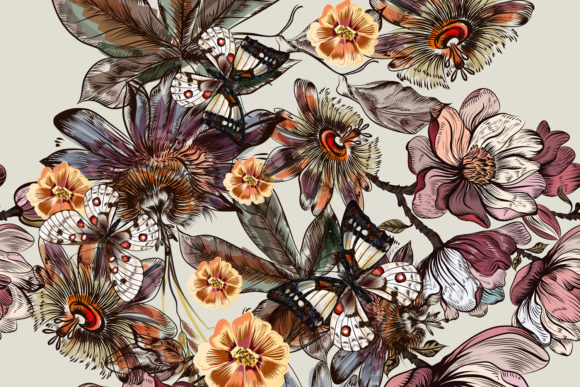
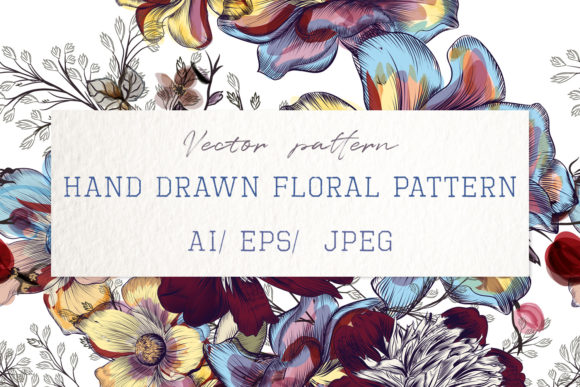
The moment I opened the embroidery file, I was struck by the soft, romantic feel of the peony pattern. It features layered petals that flow organically, creating a sense of movement and grace. The central bloom is generous in size, flanked by smaller flowers and delicate leaves that balance the composition without overwhelming it. This is a design that leans into elegance—perfect for those who want to evoke warmth, femininity, or timeless charm in their handmade products.
I noticed the attention to detail in the petal edges and leaf veins, which suggests this isn’t just another generic floral design. The visual personality is refined, making it ideal for custom apparel like sweatshirts or tote bags where a subtle yet impactful statement is needed. It also feels versatile enough to adapt to different color schemes, though the original thread colors are carefully chosen to enhance depth and realism.
Real-World Applications and Project Fit
Let’s imagine a scenario: You’re an Etsy seller preparing a line of personalized gift bags for Mother’s Day. You need a design that feels special but won’t distract from the hand-stamped name or monogram at the center. The Beautiful Floral Vector Pattern Peony fits right in here. Its balanced layout allows for easy integration with text elements, and the overall theme complements seasonal items like holiday gifts or nursery decor.
This design works well on larger surfaces such as pillow covers, aprons, or tea towels. On a tote bag design, it adds a touch of sophistication without being too fussy. For a sweatshirt embroidery project, especially one targeting women or girls, the peony brings a gentle pop of artistry that stands out without looking overdone. In commercial embroidery, it can serve as a signature motif for boutique branding or small shop merchandise.
I also tested it on a baby blanket mockup using satin stitch around the outer flower and fill stitch for the inner details. The result was charming—something a parent would love as a nursery decor element. It didn’t lose clarity when scaled down slightly for a cap or hat either, though I’d recommend careful placement due to the curved surface.
Where Caution Is Needed
While the peony pattern is undeniably beautiful, there are certain situations where you’ll want to tread carefully. For example, if you plan to use it in a small hoop size, say under 4 inches, the intricate detailing might get lost. The same goes for textured fabrics like canvas or denim—these materials can make fine lines appear less crisp unless the stabilizer and tension settings are optimized.
- Thin fabric or stretchy materials may struggle with the denser areas of the design, particularly the center of the flower. Consider using a tear-away or cut-away stabilizer depending on the garment type.
- If placing it on a dark fabric background, you’ll definitely want to test thread color contrast first. The default palette includes some light tones that could fade against black or navy.
- For curved surfaces like caps or hats, the shape should be adjusted or mirrored carefully to maintain symmetry.
- Projects involving frequent washing, such as baby clothes or kitchen towels, will benefit from checking the stitch density and using appropriate backing material to prevent distortion.
Design Performance in Different Stitches
I experimented with several stitch types to see how the peony pattern translates in practice. The outer petals worked beautifully with a running stitch outline, giving them definition without bulk. Using satin stitch on the center added a rich, dimensional effect that felt luxurious. However, in tight corners or between overlapping petals, the fill stitch areas became a bit dense, so I’d suggest adjusting the spacing for certain applications.
One thing I appreciated was how the design maintained clarity even when scaled up slightly. That makes it suitable for embroidered patches or larger decorative accents on blankets and banners. But again, always check the hoop size requirements before committing to production. Some machines have limitations that can affect the final look, especially in complex vector patterns.
Visual Appeal vs. Stitching Clarity
Visually, the floral vector pattern is stunning. It has a painterly quality that’s hard to achieve with many machine embroidery designs. However, the stitching clarity depends heavily on your setup. When placed on a white cotton t-shirt, the thread colors stood out perfectly, and the design felt like a true design asset for any craft business looking to elevate their offerings.
On the flip side, when I tried it on a stretchy rayon blend for a custom dress, the tight curves of the petals stretched slightly during sewing. This shows that while the design looks great on paper, its performance is context-dependent. Always test it on your target fabric first.
Customer Trust and Product Value
From a business perspective, the peony pattern adds value to handmade products and personalized gifts. Customers recognize floral motifs as classic and timeless, and when executed well, they build trust in your brand’s craftsmanship. As an Etsy seller, you know that presentation matters—this design helps your products stand out in a sea of generic prints.
It also enhances brand consistency if you're working on a cohesive line of holiday embroidery or wedding-themed gifts. The consistent style across different items creates a professional, recognizable aesthetic that customers come to expect from your shop.
Designer Notes for Optimal Use
- Test on scrap fabric first. Especially if you're planning to use it on stretchy or thin materials. See how the stitches behave and whether the design holds up after washing.
- Check thread color contrast. If your fabric is dark or textured, consider changing the palette to ensure the design remains visible and vibrant.
- Review stitch density. Adjust fill areas to avoid puckering or excessive bulk, especially for garments meant for frequent wear.
- Confirm hoop size. Make sure your machine supports the required dimensions, especially if you’re scaling the design up or down.
- Inspect small details. The inner petals and leaf outlines are delicate—check that they don’t disappear when printed in black and white or viewed in low light.
- Compare light and dark backgrounds. This will help you understand how the design interacts with different fabric colors and choose the best placement.
- Use proper stabilizer. Tear-away or wash-away options can make all the difference in maintaining the design's integrity on tricky fabrics.
- Check licensing before selling. If you plan to turn this into a digital embroidery file or sell finished products, confirm that the license allows for commercial use.
Final Thoughts from a Designer’s Perspective
The Beautiful Floral Vector Pattern Peony is more than just a pretty machine embroidery design—it’s a thoughtful choice for those who want to add a personal touch without sacrificing professionalism. Whether you're crafting a custom apparel piece for a client or designing a new range of small shop products, this pattern has the potential to elevate your work.
Its versatility shines in both personal and commercial embroidery projects, but remember that no design is one-size-fits-all. Take the time to test it in various formats and on different materials. With the right adjustments, this applique design can become a staple in your creative toolkit, helping you deliver finished products that customers love and that reflect your commitment to quality.
So go ahead—download the digital embroidery file, try it on a few samples, and let your imagination guide the next project. Just keep these notes in mind to ensure your vision comes to life exactly as intended.