Seamless Pattern with Tulips Review for Real Projects
As an embroidery designer who’s tested countless digital embroidery files, I always look for patterns that balance beauty and practicality. Seamless Pattern with Tulips caught my eye not just because of its floral charm but because it has the kind of visual rhythm that makes it adaptable to a wide range of projects. Let me walk you through how this design holds up when applied to real-life handmade items and what considerations every craft business owner or decorator should keep in mind before stitching.
First Impressions: Elegance Meets Versatility
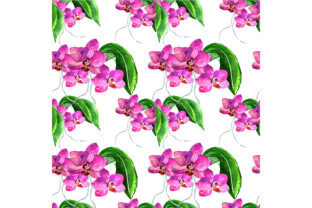
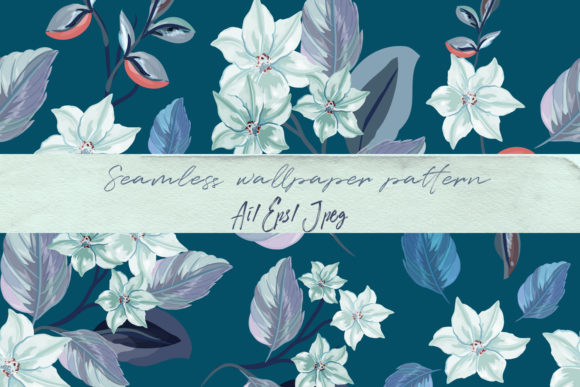
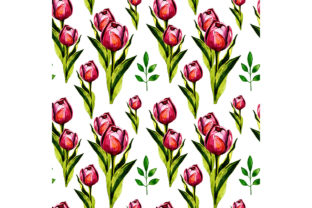
The moment I opened the embroidery file, I noticed how the tulips flow seamlessly into one another without visible repetition — a key factor in creating professional-looking handmade products. The color palette is soft and inviting, with subtle gradients that give the flowers a lifelike appearance. It’s clear this design was crafted with attention to detail, especially in the petal curves and leaf textures. The layout feels balanced, neither too busy nor too sparse, which makes it suitable for both minimalist and more decorative embroidery projects.
Visually, Seamless Pattern with Tulips evokes a sense of springtime elegance. It would work well on custom apparel, like a sweatshirt embroidery or tote bag design, where a clean yet expressive pattern can elevate the overall aesthetic. For boutique owners and Etsy sellers, this could easily become a signature design asset that adds a touch of sophistication to everyday items.
Real-World Application: Where This Design Shines
I recently used Seamless Pattern with Tulips to create a batch of personalized baby aprons for a client. The pattern wrapped beautifully around the curved edges of the apron pockets, maintaining its integrity and avoiding awkward cutoffs. That’s a rare quality in many repeatable designs, so it immediately earned points from me.
This pattern also worked surprisingly well on a large-scale project — a set of 10 pillow covers for a nursery decor line. The consistent spacing between tulips ensured that each cover had a cohesive look without feeling repetitive. As an embroidery project for commercial use, it maintained a high level of professionalism while still feeling handcrafted.
For holiday gifts, such as embroidered tea towels or gift tags, the design brings a warm, celebratory vibe. Its soft pastels are perfect for Easter baskets or Mother’s Day presents. Even in baby embroidery, where simplicity and safety are key, the tulip pattern added a gentle flourish that felt safe and appropriate.
Satin stitch outlines give the flowers a polished edge, while the fill stitch interiors offer enough texture to stand out without overwhelming the fabric. It’s a versatile machine embroidery design that can be resized for different hoop sizes, though there are some important limitations to consider.
Projects That Work Best with This Design
- Tote bags — Especially those made from cotton canvas or quilting fabric. The tulips add a decorative element without overpowering the item.
- Sweatshirts and t-shirts — Ideal for back panel embroidery or sleeve accents. The pattern looks great on both light and dark backgrounds when thread colors are adjusted.
- Aprons — Whether for a home kitchen or a bakery shop, the pattern adds a personal touch to functional items.
- Pillow covers — The seamless nature allows for wrapping around seams or corners neatly.
- Tea towels and kitchen linens — A subtle background pattern that enhances the giftability of your product.
- Embroidered patches — Works well as a standalone patch design or part of a larger motif.
Where to Use with Caution
While Seamless Pattern with Tulips is undeniably beautiful, it’s not always the best fit for every surface or fabric type. Here are a few scenarios where I’d recommend using it carefully:
Small Hoop Sizes
If you're working within tight hoop size limits — say, under 4 inches — the pattern may lose its intended flow. The tulips are designed to move together, and cutting them apart can disrupt the harmony. In such cases, I suggest extracting individual elements or resizing them thoughtfully.
Textured or Stretchy Fabrics
On fabrics like denim or stretch knits, the fine details of the petals might get distorted if proper stabilizer isn’t used. I’ve found that lightweight tear-away stabilizer works best for most woven fabrics, but for tougher materials, a cutaway stabilizer ensures better stitch definition.
Dark Backgrounds
The original thread colors are lovely on white or light-colored fabrics, but they don’t pop as much on darker bases. Before committing to a full batch of custom apparel, I recommend testing the design on black or navy fabric to see if it remains legible and visually appealing. If needed, you can tweak the thread colors to enhance contrast.
Curved Surfaces and Corners
When I tried applying the pattern to a curved cap or a round pillow insert, the tulips didn’t wrap smoothly. This means it's less ideal for items with complex shapes unless you manually adjust the placement or break the pattern into segments.
Frequent-Wear Items
Though the design itself is sturdy, any item that gets washed regularly — like baby clothes or reusable grocery bags — will require durable threads and a stable backing. I always advise craft business owners to test their chosen digital embroidery file on similar materials before production.
Design Impact on Your Craft Business
Using Seamless Pattern with Tulips in your handmade product lineup can significantly boost visual appeal. Customers notice the thoughtful detailing, especially when the pattern is placed intentionally on a tote or apron. It also helps with brand consistency, particularly if you’re aiming for a fresh, botanical theme across multiple items.
From a practical standpoint, the design doesn’t interfere with readability if paired with text. But if you plan to add small lettering or intricate monograms, make sure the tulips aren’t competing for attention. Stitch density is moderate, so it won't pill easily on frequently worn items — a win for Etsy sellers looking to maintain product longevity.
As a personalized gift option, the pattern adds a layer of customization without being overdone. It’s subtle enough for adults and playful enough for children. When used in printable mockups or digital previews, the pattern maintains clarity and scale, making it ideal for showcasing in online shops or at craft fairs.
Designer Notes: What to Check Before Using
Here are some quick tips to ensure the best results with Seamless Pattern with Tulips:
- Test on scrap fabric first — Especially if you're planning to resize it or use it on a new material.
- Check thread color contrast — Make sure it stands out against your chosen fabric.
- Review stitch density — Adjust if necessary to avoid puckering or distortion.
- Confirm hoop size — Ensure your machine can accommodate the design dimensions.
- Inspect small details — Look for areas where stitches might overlap or get lost during resizing.
- Try black-and-white mockups — See how the design translates without color bias.
- Compare light and dark backgrounds — This will help you understand visibility and impact.
- Use proper stabilizer — Especially on delicate or stretchy materials.
- Check whether it works for both personal and commercial projects — Some patterns have restrictions you need to be aware of.
- Confirm licensing before selling finished items or digital products — Always read the terms to protect yourself legally.
Final Thoughts on Seamless Pattern with Tulips
In summary, Seamless Pattern with Tulips is a solid addition to any embroiderer’s collection. It’s elegant, easy to apply, and versatile enough for multiple applications — from small shop product branding to nursery decor. However, it’s not a one-size-fits-all solution. Consider your fabric type, project purpose, and customer expectations before jumping in.
As a seasoned reviewer, I appreciate that this design doesn’t try to do too much. Instead, it offers a refined, repeatable pattern that fits naturally into various contexts. Whether you're designing for a craft business or experimenting in your own creative space, Seamless Pattern with Tulips has the potential to add meaningful value to your finished product — as long as you take the time to understand how it behaves in the real world.