Seamless Pattern with Orchid: A Designer’s Real-World Review
As an embroidery designer and product reviewer who's stitched countless designs for both personal and commercial projects, I always approach a new machine embroidery design with a mix of curiosity and caution. Today, I'm taking a close look at the Seamless Pattern with Orchid. This design isn't just another floral motif—it has character, balance, and a certain elegance that makes it stand out. But how does it perform when applied to real-life products like custom apparel or handmade gifts? Let’s dive into the details.
First Impressions: Elegance Meets Versatility
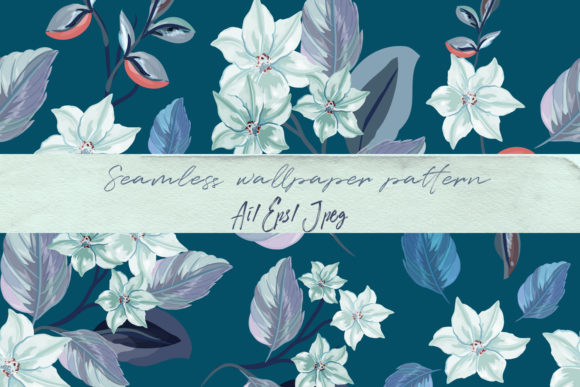
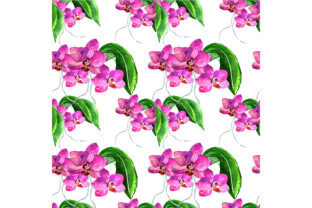
The moment I opened the embroidery file, I was drawn to the fluidity of the orchids. The pattern is seamless, which means it can be repeated without visible edges—a huge plus for any large project. The layout feels intentional; each flower is spaced enough to breathe but still creates a cohesive feel when tiled. The level of detail is moderate—enough to make the design pop without overwhelming the fabric or the eye. It’s not overly intricate, but there’s a soft sophistication that works well across a range of applications.
Visually, this pattern evokes a sense of calm luxury. The stylized orchid shapes are elegant, and the overall theme leans towards bohemian or modern botanical. For someone running a craft business or selling handmade products on Etsy, this could be a strong fit for items that want to feel exclusive yet accessible. Think boutique-style sweatshirt embroidery or a beautifully stitched pillow cover meant to add a touch of nature to home décor.
A Natural Fit for Tote Bag Design
One of my first thoughts was how this pattern would look on a tote bag design. The seamless nature allows for full coverage without the need for awkward borders or piecing together multiple files. When repeated across the canvas, the orchid motifs create a lush, organic feel that's perfect for a summer market bag or a personalized gift. The pattern doesn’t shout, but it definitely draws attention in the right way.
I also considered using it for holiday gifts, especially if you're aiming for something that feels thoughtful and refined. Imagine stitching it onto a set of kitchen towels or a cozy blanket—it adds a layer of charm that speaks to quality and intentionality.
Performance in Real Embroidery Projects
When evaluating any embroidery design for use, I consider how it behaves under different conditions. The Seamless Pattern with Orchid uses a combination of fill stitch and delicate running stitch elements. The fill areas are well-balanced in terms of stitch density, so they won’t distort thin fabrics too easily. However, they’re still dense enough to hold up against frequent washing, which is essential for items like aprons or baby clothes.
- Custom Apparel: Works well for sweatshirts and t-shirts, especially if you’re looking for a subtle background design. It complements bolder text or monogrammed accents without competing.
- Baby Items: The soft curves and muted complexity of the orchid pattern could be ideal for baby embroidery, particularly if you're aiming for a gentle, natural aesthetic.
- Patches and Caps: Since the pattern is seamless, it can be trimmed neatly into smaller sections for embroidered patches or curved surfaces like baseball caps. Just be sure to adjust the hoop size accordingly and test the curvature before mass production.
- Home Décor: On pillow covers or tea towels, the pattern brings a touch of botanical beauty. It’s versatile enough for everyday use but special enough for holiday gifting.
- Commercial Use: If you're an Etsy seller or part of a small shop product line, this design can help maintain brand consistency while offering variety. Its visual appeal supports product value and customer trust.
Where to Use It Carefully
While the Seamless Pattern with Orchid is impressive, it’s not one-size-fits-all. Here are some scenarios where extra attention is needed:
- Small Hoop Sizes: The design is best suited for larger projects. Using it in a tiny hoop might result in a loss of detail and visual impact.
- Textured Fabrics: Stitching this on canvas or denim will work, but avoid heavily textured materials unless you’re prepared to adjust the stabilizer and tension settings.
- Thin or Stretchy Fabric: The fill areas might cause puckering or distortion. Test it on similar material before applying it to your final product.
- Dark Backgrounds: The default thread colors may not contrast enough on darker fabrics. Consider changing the palette or using metallic threads for better visibility.
- Frequent Washing: While the design holds up well, always recommend pre-washing your fabric if it’s intended for daily use, such as baby clothes or kitchen linens.
Visual Appeal and Customer Reaction
In terms of visual appeal, the Seamless Pattern with Orchid scores high. It’s not loud, but it’s memorable. Customers tend to appreciate designs that don’t overwhelm the item they’re purchasing—this one hits that sweet spot. Whether it’s a personalized gift or a nursery decor piece, the pattern adds a layer of thoughtfulness that enhances the finished product.
What I love most is how it subtly elevates the handmade presentation. It doesn’t scream “I made this,” but instead whispers “carefully curated.” That kind of subtlety is key for craft fair products and small business merchandise, where professionalism meets personalization.
Design Notes for the Detail-Oriented Creator
If you're considering using this machine embroidery design in your next project, here are a few practical tips from the field:
- Test on Scrap Fabric First: Always do a trial run. Especially if you're planning to use it on stretchy or dark materials.
- Check Thread Color Contrast: Make sure the colors pop on your chosen fabric. Sometimes, swapping one or two hues can dramatically improve the outcome.
- Review Stitch Density: Adjust the density slightly depending on the fabric type. Too tight, and it may pucker; too loose, and it may look unfinished.
- Confirm Hoop Size: If you're working on a large item like a tote bag, ensure your hoop accommodates the entire repeat without distortion.
- Inspect Small Details: The orchid petals have fine lines and shading. These might get lost on very small projects or low-resolution previews.
- Test in Black and White Mockups: Before printing or showcasing your digital embroidery file, check how it looks in grayscale to evaluate contrast and clarity.
- Use Proper Stabilizer: For delicate fabrics, a light tear-away or cut-away stabilizer can prevent shifting and puckering.
- Confirm Licensing: If you're planning to sell finished products or design assets, double-check the licensing terms to stay compliant.
Final Thoughts for Creative Entrepreneurs
After testing the Seamless Pattern with Orchid on several mock-ups—from a sweatshirt to a patch—I can confidently say it’s a solid addition to any embroidery project toolkit. It doesn’t demand attention but earns it through its refined presence. As an experienced designer, I’d use it on custom apparel and home décor items more than anything else. Its versatility and subtlety make it great for creating a signature style across your handmade product line.
For creative entrepreneurs and digital product sellers, this design offers a unique blend of artistry and usability. It helps elevate product recognition and buyer engagement, especially when paired with the right thread choices and fabric types. Just remember to adapt it to your specific needs and always validate its performance in your preferred setup.
So whether you're preparing a batch of holiday gifts or designing the next hit for your craft business, take the time to understand how the Seamless Pattern with Orchid fits into your vision. It’s not just about what looks good—it’s about what lasts, what feels right, and what resonates with your customers long after the needle has left the fabric.