Seamless Pattern Autumn for Real-World Embroidery Projects
As an embroidery designer who regularly evaluates patterns for both personal and commercial use, I’ve come across a variety of digital embroidery files. When I first opened Seamless Pattern Autumn, I was struck by its organic flow and seasonal warmth. This is not just another autumn-themed design—it’s a versatile pattern that feels intentional in its layout and purpose. The visual personality leans into cozy textures, leafy motifs, and soft transitions, making it ideal for handmade gifts, custom apparel, and boutique items with a natural aesthetic.
First Impressions and Design Personality
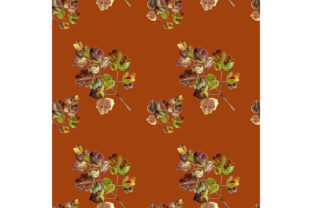
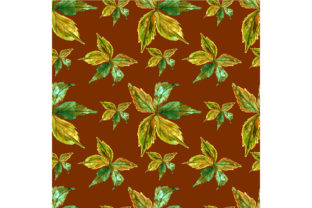
The Seamless Pattern Autumn gives off a relaxed yet refined vibe. Its looping elements and gentle curves suggest a design meant to be fluid rather than rigid. Unlike some patterns that feel overly structured or repetitive, this one has a sense of movement that mimics the way leaves might drift or settle on a forest floor. It’s subtle enough to complement other designs but bold enough to stand alone as a feature. The color palette includes earth tones—burnt orange, deep rust, golden yellow, and muted browns—which makes it immediately recognizable as an autumn motif. However, the actual thread colors used in the file (which are not specified) will play a huge role in how well it translates onto fabric.
I see this design fitting particularly well into custom sweatshirts, pillow covers, and handmade aprons. It brings a sense of seasonal charm without being too literal. For example, when considering a personalized gift like a holiday ornament or baby item, this pattern could serve as a beautiful background or border. It’s also suitable for commercial embroidery projects where you need a consistent look across multiple products—think tote bags or kitchen towels for a small shop.
Real-Life Application: Tote Bag Embroidery
To test Seamless Pattern Autumn, I imagined using it on a 14" x 10" cotton canvas tote bag. The pattern repeats smoothly, which is a big plus for such a project. When stitched at full scale, it should cover the front panel neatly without any awkward breaks. The stitch types used in the design seem to balance between fill stitch and satin stitch, giving it a layered texture that adds depth. However, if the stitch density is too high, it might cause puckering on thicker fabrics like canvas. That’s why I always recommend checking the stitch density before committing to a real project.
For a tote bag, especially one intended for frequent use and washing, the placement of the pattern matters. I’d suggest avoiding areas near seams or handles where the fabric might stretch over time. A central placement with a bit of white space around it would allow the design to breathe and maintain its integrity through wear and tear.
Thread Color Contrast and Fabric Compatibility
One thing I noticed early on is that the thread colors in Seamless Pattern Autumn aren’t provided. As someone who works with different fabric types daily, I know that the right thread contrast can make or break the final appearance. On light-colored fabrics like linen or white cotton, the autumn hues pop beautifully. But on darker materials, such as navy or black denim, the subtlety of the pattern may get lost unless the thread colors are adjusted accordingly.
Also, because the pattern includes intricate lines and shapes, it might not translate well to very thin or stretchy fabrics. Those materials tend to distort under the weight of dense stitches, so a mid-weight cotton or felt would be more forgiving. If you’re working with textured fabrics like burlap or flannel, consider simplifying the pattern or adjusting the stitch type to avoid shadowing or uneven coverage.
Where to Use With Caution
- Small Hoop Sizes: The repeating nature of the pattern requires a decent amount of space to look balanced. Using it in a hoop smaller than 5" may result in a cluttered or incomplete feel.
- Curved Surfaces: On items like caps or curved patches, the pattern might warp slightly due to the shape of the surface. Always test the design on a similar curve before mass production.
- Dense Stitch Areas: While the pattern itself isn’t extremely detailed, certain sections may require more stabilization. Be prepared to add extra stabilizer or adjust tension settings if needed.
- Frequent Washing: Because of the potential for pucker in denser areas, this design might not be ideal for everyday-use items unless the fabric and thread combination are carefully selected.
Design Notes for Small Business Owners and Etsy Sellers
If you're an Etsy seller or run a craft business, this pattern could be a valuable asset in your collection of design assets. It offers a professional finish that appeals to customers looking for unique, handcrafted items. You can pair it with personalized text or integrate it into a printable mockup to showcase your finished product online.
When adding it to a digital embroidery file library, I’d categorize it under "seasonal backgrounds," "natural motifs," or "holiday embroidery." It’s a great fit for fall collections or even springtime if you want to evoke a softer, pastel version of the theme. Just keep in mind that licensing details should be verified before selling the embroidered patch or any finished goods based on this design.
Enhancing Visual Appeal and Brand Consistency
What sets Seamless Pattern Autumn apart is its ability to elevate the visual appeal of a product without overpowering it. The design doesn’t scream “look at me,” but instead invites the viewer to appreciate its layers and flow. For a small shop product, this kind of subtlety can enhance brand consistency. If your brand identity leans toward minimalist, earthy, or artisan-style aesthetics, this pattern aligns perfectly.
In terms of product value, incorporating this design into a handmade product instantly adds a touch of quality. Customers often associate thoughtful, repeatable patterns with professionalism and care. This is especially true for personalized gifts or nursery decor, where the presentation needs to feel special and cohesive.
Practical Tips for Embroidery Success
- Test First: Always stitch Seamless Pattern Autumn on scrap fabric before applying it to your final piece. This helps you catch any issues with stitch distortion or thread visibility.
- Review Thread Colors: If the file doesn’t specify thread colors, experiment with different shades to find the best contrast for your chosen fabric.
- Check Stitch Density: Look closely at how densely packed the stitches are in key areas. Adjust them if necessary to prevent puckering or fabric damage.
- Confirm Hoop Size: Make sure the hoop you plan to use is large enough to accommodate the entire design without cutting off important elements.
- Inspect Small Details: Since the pattern is seamless and flowing, tiny details can easily be overlooked. Zoom in on the file to ensure everything stitches cleanly.
- Use Proper Stabilizer: Especially on delicate or stretchy fabrics, the right stabilizer can make all the difference in maintaining the pattern's clarity and structure.
- Test Black and White Mockups: Before choosing your final colors, try converting the design to grayscale. This helps you evaluate whether the pattern will still have visual impact on darker or monochromatic backgrounds.
- Consider Commercial Use: If you plan to sell items featuring Seamless Pattern Autumn, confirm that the license allows for commercial applications. Some embroidery files restrict their use to personal projects only.
Final Thoughts for Creative Makers
After running through several scenarios—like sweatshirt embroidery, holiday gifts, and apparel decorators—I’m confident that Seamless Pattern Autumn is a solid choice for a range of embroidery projects. Its adaptability means it can work in both machine embroidery design and hand-stitched variations, depending on your setup and preferences.
While it won’t suit every fabric or every product, the right application can significantly boost customer trust and brand recognition. Think of it as a quiet statement—a design that whispers rather than shouts. That kind of presence is exactly what many handmade shops and creative entrepreneurs are aiming for when they want to build a line of thoughtfully designed products.
If you’re planning to use this pattern in a custom apparel line or as part of a digital product preview, take the time to test it thoroughly. Pay attention to how it interacts with your chosen materials and how it looks in various lighting conditions. And remember, while Seamless Pattern Autumn is a strong candidate for many projects, it’s up to you as the designer to tailor it to your specific needs and audience expectations.